When people think about solar energy, the first thing that comes to mind is sunlight. It seems logical: more sunlight equals more power. While solar irradiance is indeed a key factor, it is far from the only one—and in many cases, it is not even the most critical.
In real-world applications, solar output is influenced by a complex combination of environmental, technical, and operational factors. Ignoring these variables can lead to underperforming systems, inaccurate forecasts, and lost revenue. For industries such as photovoltaic power generation, agriculture, and smart infrastructure, understanding these influences is essential for maximizing efficiency and return on investment.
This article explores the often-overlooked factors that can impact solar output more than sunlight itself.
It may seem counterintuitive, but higher temperatures actually reduce solar panel efficiency. Most photovoltaic (PV) panels are tested under Standard Test Conditions (STC), which assume a cell temperature of 25°C (77°F). However, in real-world environments—especially in hot climates—panel temperatures can easily exceed 60°C (140°F).
As temperature increases, the voltage output of solar cells decreases. This results in a drop in overall power generation. On average, solar panels lose about 0.3% to 0.5% efficiency for every degree Celsius above 25°C.
In regions with intense heat, such as deserts or tropical areas, solar systems may produce significantly less power than expected—even under strong sunlight. This is why temperature monitoring is crucial for accurate performance evaluation.
Dust, dirt, bird droppings, and pollution particles can accumulate on the surface of solar panels, blocking sunlight from reaching the cells. This phenomenon, known as soiling, is one of the most underestimated factors affecting solar output.
Light dust: 2–5% reduction
Moderate dirt: 10–20% reduction
Heavy accumulation: Up to 50% loss in extreme cases
Desert regions with sandstorms
Agricultural areas with high soil disturbance
Urban environments with air pollution
Regular cleaning and monitoring are essential to mitigate these losses.
Even partial shading can have a disproportionate impact on solar output. Unlike other systems, solar panels are highly sensitive to shading because cells are connected in series.
If one cell in a series is shaded, it can reduce the current of the entire string. This means a small shadow—from a tree branch, pole, or debris—can significantly reduce total output.
Nearby buildings or structures
Trees and vegetation growth
Seasonal sun angle changes
Dust buildup creating micro-shadows
Advanced system designs, such as microinverters or power optimizers, can help reduce shading losses.
The angle and direction at which solar panels are installed play a major role in determining how much sunlight they capture.
Panels should face true south in the Northern Hemisphere
Tilt angle should match the latitude for maximum annual output
Improper orientation or tilt can reduce energy production by 10–30%, depending on the deviation from optimal positioning.
Dynamic tracking systems can further improve performance by adjusting panel angles throughout the day, but they come with higher costs and maintenance requirements.
Not all solar systems are created equal. The quality of components and the overall system design significantly influence performance.
Inverter efficiency
Cable losses
Mismatch between panels
Quality of connectors and wiring
A poorly designed system can waste a significant portion of generated energy before it even reaches the grid or storage system.
Solar panels do not maintain their original performance forever. Over time, they experience degradation due to environmental exposure and material fatigue.
Average: 0.5% to 1% per year
After 25 years: Panels may operate at 75–85% of original capacity
UV exposure
Thermal cycling
Moisture ingress
Mechanical stress
Understanding degradation trends is essential for long-term planning and financial forecasting.
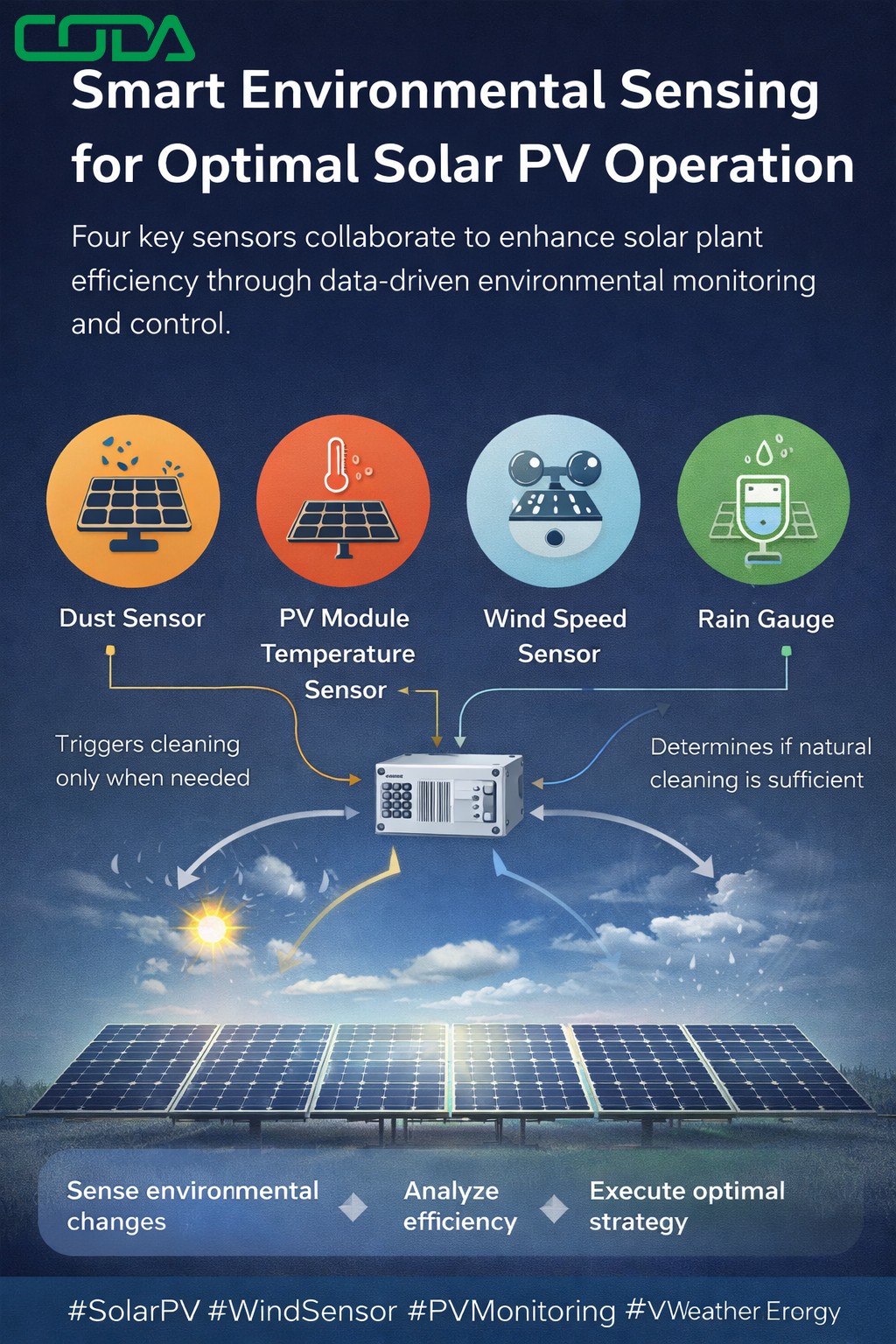
While sunlight is crucial, other weather-related factors can also influence solar output.
Cloud Cover: Reduces direct irradiance but can increase diffuse light
Humidity: High moisture levels can scatter sunlight
Wind Speed: Helps cool panels, improving efficiency
Rainfall: Can clean panels but also reduce short-term output
Interestingly, moderate wind can actually improve performance by lowering panel temperature.
Even if panels generate sufficient energy, losses can occur during transmission and conversion.
Resistance in cables
Inverter conversion losses
Transformer inefficiencies
In some cases, grid limitations or curtailment policies may prevent solar systems from delivering their full output, regardless of environmental conditions.
Without proper monitoring, it is impossible to identify performance issues or optimize output.
Accurate sensors and monitoring systems provide insights into:
Temperature fluctuations
Wind conditions
Equipment performance
Advanced monitoring enables predictive maintenance, reducing downtime and improving efficiency.
Operational practices play a crucial role in maintaining solar performance.
Regular cleaning schedules
Routine inspections
Timely repairs
Data analysis and optimization
Neglecting maintenance can lead to gradual performance decline that often goes unnoticed until significant losses occur.
While sunlight is the foundation of solar energy production, it is far from the only factor that determines output. Temperature, dust, shading, system design, and maintenance practices can all have a greater impact on performance than sunlight alone.
For businesses and industries relying on solar power, understanding and managing these variables is essential. By investing in high-quality components, implementing robust monitoring systems, and maintaining regular upkeep, it is possible to maximize efficiency and ensure consistent energy production.
In today’s competitive and sustainability-driven world, optimizing solar performance is not just an option—it is a necessity.
What are the uses of a rain gauge? Learn how rai
Learn how PAR sensors measure PPFD, optimize gro
Learn how soil EC sensors help optimize fertiliz
Contact: Molly
Phone: +86-17775769236
Tel: 86-0731-85117089
Email: molly@codasensor.com
Add: Building S5, Aux Square, Yuelu District, Changsha City, Hunan Province, China
We chat






 English


