Agriculture has always been deeply connected to weather conditions. From ancient civilizations relying on seasonal patterns to modern farmers tracking forecasts on mobile devices, weather has remained one of the most critical factors influencing crop production. However, in today’s rapidly changing climate and increasingly technology-driven world, weather data has become more important than ever before.
Modern agriculture is no longer just about experience and intuition—it is about data-driven decision-making. With the rise of precision farming, environmental monitoring systems, and smart agriculture technologies, weather data is now a strategic asset. It enables farmers to optimize productivity, reduce risks, conserve resources, and improve sustainability.
This article explores why weather data has become indispensable in agriculture today, how it impacts various farming operations, and how modern technologies are transforming the way farmers use weather information.
One of the primary reasons weather data has gained importance is the increasing unpredictability of climate patterns. Traditional farming calendars are becoming less reliable due to:
Irregular rainfall patterns
Rising global temperatures
Increased frequency of extreme weather events
Shifting growing seasons
Farmers who once relied on historical weather patterns now face uncertainty. A delayed monsoon, unexpected frost, or sudden heatwave can severely impact crop yields.
Accurate and real-time weather data helps farmers adapt to these changes. By understanding short-term forecasts and long-term climate trends, they can make informed decisions to mitigate risks.
Precision agriculture is revolutionizing the farming industry, and weather data plays a central role in this transformation. Instead of treating entire fields uniformly, farmers now use data to manage variability within their land.
Optimizing Irrigation
Weather data such as rainfall, temperature, humidity, and evaporation rates helps determine how much water crops actually need. This prevents both overwatering and underwatering.
Fertilizer Management
Applying fertilizers before heavy rainfall can lead to nutrient runoff. Weather forecasts help farmers time fertilizer application more effectively.
Pest and Disease Control
Many pests and plant diseases thrive under specific weather conditions. Monitoring temperature and humidity allows early detection and preventive action.
Planting and Harvesting Decisions
Weather forecasts help determine the best time to plant seeds and harvest crops, reducing the risk of losses due to adverse conditions.
Agriculture is inherently risky, and weather is the biggest uncontrollable factor. Weather data helps reduce uncertainty and improve resilience.
Events such as droughts, floods, storms, and heatwaves can devastate crops. Access to accurate weather forecasts enables farmers to:
Prepare irrigation systems during drought conditions
Protect crops before storms
Adjust planting schedules
Implement emergency measures
Frost can destroy entire crops overnight, especially in horticulture. Weather monitoring systems provide early warnings, allowing farmers to take protective actions such as:
Using frost covers
Activating irrigation systems
Deploying heaters or wind machines
Water scarcity is becoming a global concern, making efficient water management critical in agriculture. Weather data plays a key role in optimizing water use.
Reduces water waste
Improves crop yield
Lowers operational costs
Supports sustainable farming practices
By integrating weather data with soil moisture sensors, farmers can create intelligent irrigation systems that respond dynamically to environmental conditions.
Weather conditions directly affect crop growth, development, and quality. By leveraging weather data, farmers can create optimal growing environments.
Different crops have specific temperature requirements. Monitoring temperature helps ensure crops are grown under ideal conditions.
Sunlight is essential for photosynthesis. Measuring solar radiation allows farmers to understand plant growth rates and optimize planting density.
Humidity affects plant transpiration and disease development. Monitoring humidity levels helps maintain plant health.
The integration of Internet of Things (IoT) technology has significantly enhanced the value of weather data in agriculture.
Cloud-based data platforms
Remote monitoring systems
These technologies enable real-time data collection and analysis, allowing farmers to monitor conditions from anywhere.
Continuous monitoring
High accuracy
Real-time alerts
Data-driven insights
Smart sensors collect data on temperature, humidity, rainfall, wind speed, and soil conditions, providing a comprehensive understanding of the farm environment.
Sustainability is a growing priority in agriculture. Weather data helps farmers adopt environmentally friendly practices.
By understanding weather conditions, farmers can apply pesticides and fertilizers more precisely, reducing environmental impact.
Efficient use of water, energy, and inputs minimizes waste and promotes sustainability.
Weather data enables farmers to adapt to climate change by selecting suitable crops, adjusting planting schedules, and implementing resilient farming practices.
Weather data does not only impact farming operations—it also influences the entire agricultural supply chain.
Accurate weather data helps predict crop yields, allowing better planning for:
Storage
Transportation
Market supply
Weather-related disruptions can cause price fluctuations. Reliable forecasts help stakeholders prepare for supply changes.
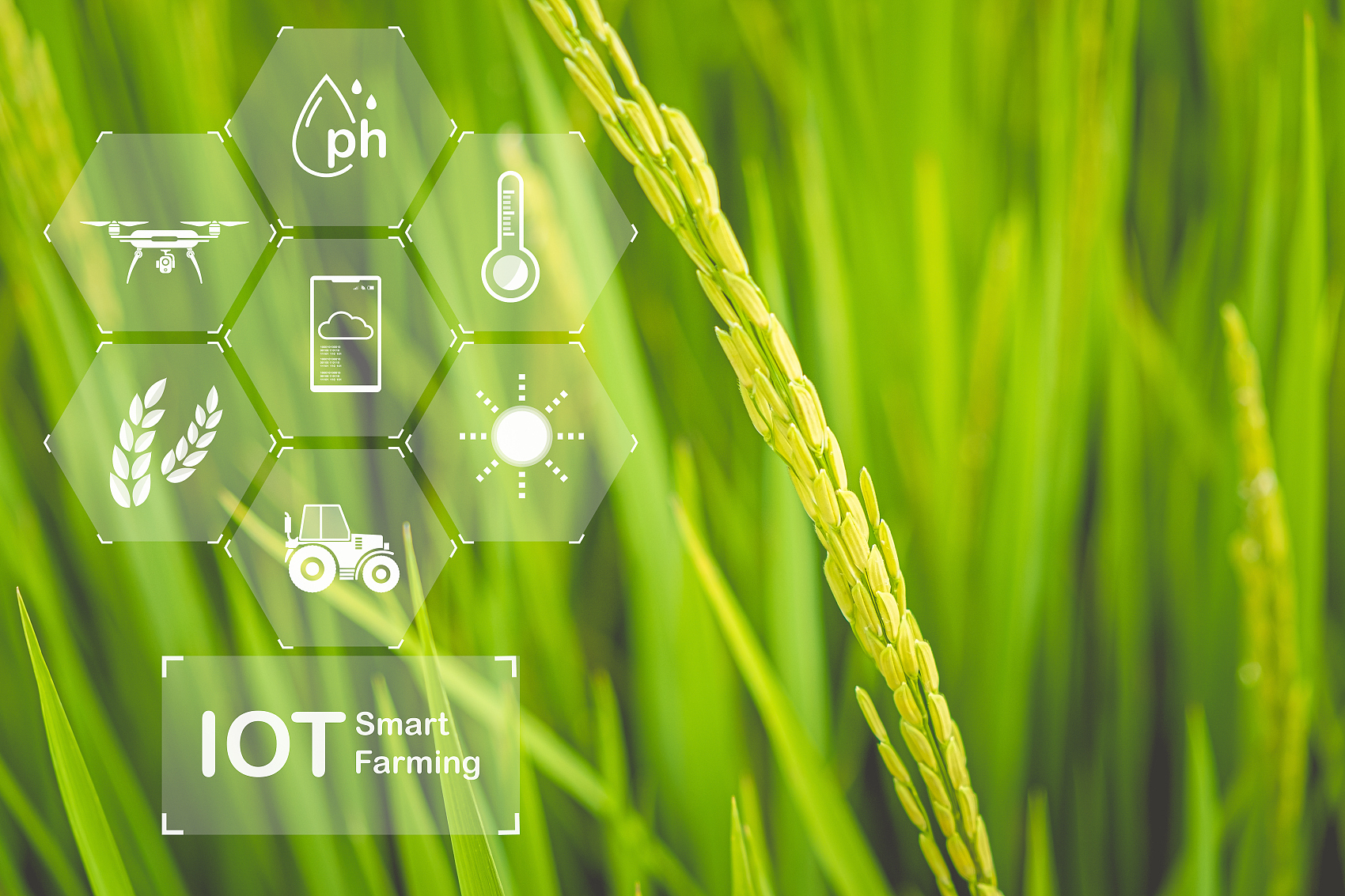
Advanced technologies such as artificial intelligence (AI) and data analytics are transforming how weather data is used in agriculture.
AI models analyze historical and real-time weather data to predict:
Crop yields
Pest outbreaks
Disease risks
Farmers can use digital platforms that combine weather data with agronomic models to receive actionable recommendations.
Despite its benefits, there are challenges in adopting weather data in agriculture:
Inaccurate or low-resolution data can lead to poor decisions. Localized weather stations are essential for reliable information.
Small-scale farmers may lack access to advanced technologies and data platforms.
Combining weather data with other agricultural data requires technical expertise.
The importance of weather data will continue to grow as agriculture evolves. Future developments may include:
Hyper-local weather forecasting
Integration with satellite data
Autonomous farming systems
Advanced predictive models
As technology advances, weather data will become even more precise, accessible, and actionable.
Weather data has always been important in agriculture, but today it is more critical than ever. In an era defined by climate change, resource constraints, and technological innovation, farmers must rely on accurate and real-time information to succeed.
By leveraging weather data, farmers can improve productivity, reduce risks, conserve resources, and adopt sustainable practices. From precision irrigation to pest management and yield optimization, weather data is at the heart of modern agriculture.
The future of farming lies in data-driven decision-making, and weather data is one of its most powerful tools. Farmers who embrace this transformation will be better equipped to navigate uncertainty and thrive in an increasingly complex agricultural landscape.
What are the uses of a rain gauge? Learn how rai
Learn how PAR sensors measure PPFD, optimize gro
Learn how soil EC sensors help optimize fertiliz
Contact: Molly
Phone: +86-17775769236
Tel: 86-0731-85117089
Email: molly@codasensor.com
Add: Building S5, Aux Square, Yuelu District, Changsha City, Hunan Province, China
We chat






 English


