Introduction
In an era driven by data and automation, smart monitoring systems have become essential across industries. From agriculture to manufacturing, from renewable energy to urban infrastructure, these systems provide real-time insights, predictive analytics, and remote control capabilities that ensure efficiency, safety, and sustainability.
But what happens when these systems are absent? Without smart monitoring, organizations lose visibility into critical parameters, and small issues can quickly escalate into costly or dangerous problems. Sensors like wind speed sensors, soil moisture sensors, temperature/humidity sensors, and air quality sensors play a crucial role in preventing inefficiency, accidents, and environmental damage.
One of the most immediate consequences of lacking smart monitoring systems is the loss of operational efficiency. Traditional operations often rely on manual checks or sporadic measurements, which are error-prone.
Industrial sensors such as vibration sensors and temperature sensors help monitor machinery performance. Without them, minor mechanical issues in factories may go undetected, causing unplanned downtime and lost production.
Agricultural sensors, including soil moisture sensors, NPK sensors, and rainfall sensors, enable precision irrigation and fertilization. Without these, crops may receive too much or too little water or nutrients, reducing yields.
Energy sensors, like solar radiation sensors and wind direction sensors, allow renewable energy operators to optimize energy production. Without them, system efficiency drops due to undetected shading, soiling, or turbine misalignment.
Without continuous monitoring through sensors, organizations cannot optimize resources or detect inefficiencies, leading to wasted time, materials, and energy.
Safety is another area heavily impacted. Smart sensors provide early warnings that prevent accidents and protect human life.
Wind speed sensors on construction sites or cranes prevent accidents caused by sudden gusts. Without them, operators may continue work in unsafe conditions.
Gas detection sensors in industrial or urban environments detect toxic or flammable gases early, preventing fires or chemical exposure.
Water level sensors in flood-prone areas or tunnels warn of rising water, preventing infrastructure damage and casualties.
Without these sensors, organizations rely on human observation, which cannot respond as quickly as automated alerts, increasing safety risks and liability.
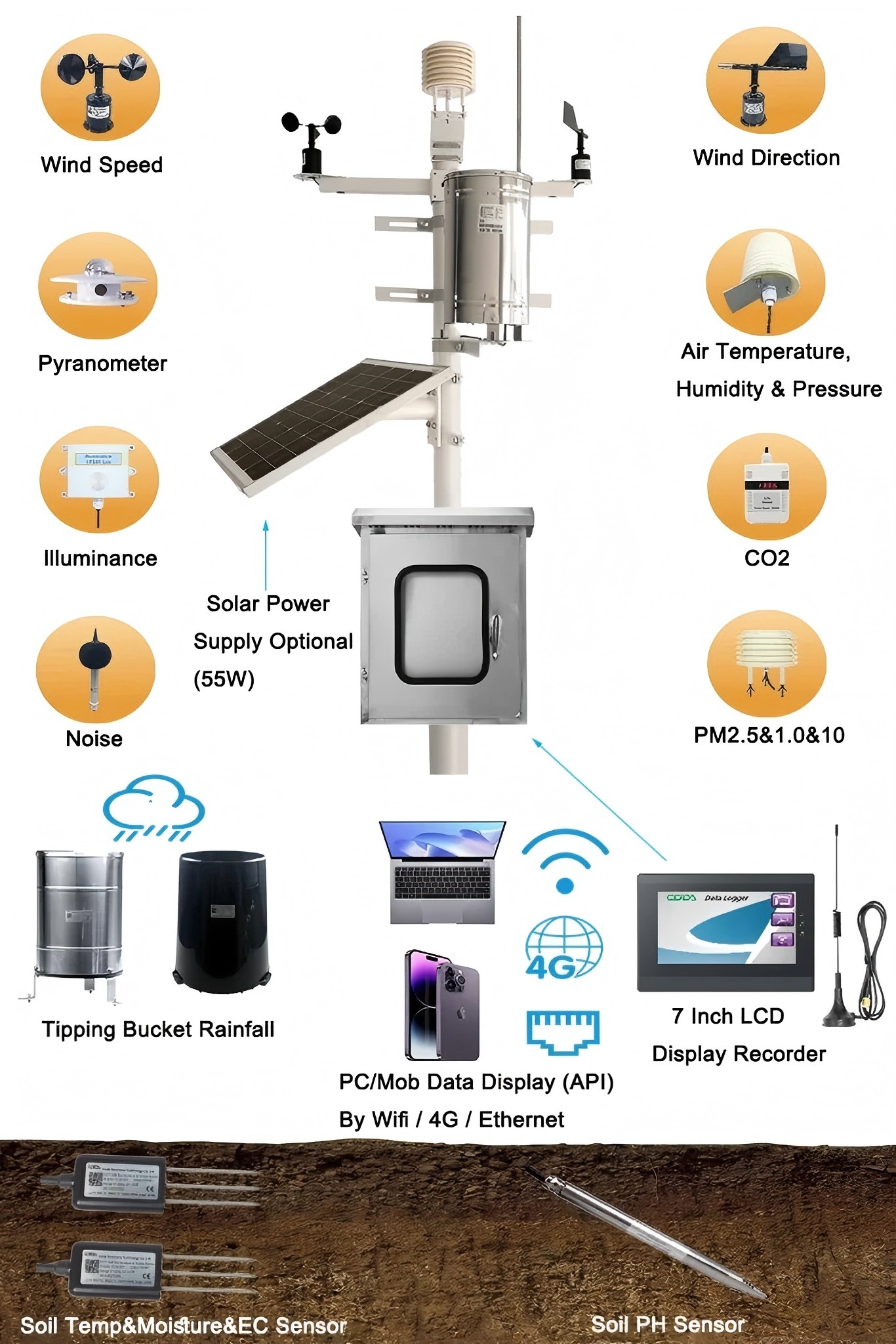
Sensors are crucial for reducing environmental footprint and supporting sustainability.
Air quality sensors monitor pollutants like CO₂, PM2.5, or VOCs. Without them, cities and industries cannot respond to pollution spikes.
Soil moisture and NPK sensors help farmers minimize water and fertilizer use, preventing soil degradation and nutrient runoff.
Weather sensors such as temperature, rainfall, and wind direction sensors enable optimized energy production and disaster prediction.
Without smart sensors, industries risk resource overuse, pollution, and inefficient energy consumption, which can harm ecosystems and increase carbon footprints.
The financial costs of operating without sensors are significant.
Industrial vibration sensors detect mechanical wear, preventing costly breakdowns. Without them, factories face expensive downtime and repairs.
Agricultural soil and weather sensors increase crop yields; their absence leads to losses due to underperforming crops.
Energy sensors in solar or wind farms prevent energy losses from misaligned panels or turbines. Without them, operators face reduced output and lower ROI.
Across sectors, failing to monitor critical parameters translates directly into lost revenue and higher operational costs.
Smart sensors allow predictive maintenance and preventive actions:
Temperature and humidity sensors in warehouses or server rooms can prevent spoilage or equipment damage.
Structural health sensors like strain or displacement sensors detect early signs of wear in bridges, tunnels, and towers.
Weather and soil sensors allow farmers to anticipate drought, pest attacks, or nutrient deficiencies.
Without these sensors, maintenance and mitigation become reactive, often too late to prevent damage or loss.
Data from sensors drives research, innovation, and optimization.
IoT-connected sensors provide real-time, actionable data for AI algorithms to optimize processes.
Environmental sensors inform urban planning, energy grid management, and precision agriculture.
Industrial sensors like current, voltage, and vibration sensors enable predictive maintenance strategies.
Organizations that ignore sensor data miss opportunities to innovate, reduce costs, and stay competitive.
Sensors also enhance accountability and transparency.
Customers and regulators expect verifiable data. For example, air quality and water level sensors in public projects provide reliable proof of compliance.
Without sensors, inconsistencies or delayed reporting can erode trust and credibility, increasing legal or reputational risk.
Agriculture: Farms without soil moisture, NPK, and rainfall sensors often waste water and fertilizers, reducing yields by 15–30%.
Industrial Manufacturing: Factories without vibration, temperature, and pressure sensors experience 40% higher unplanned downtime.
Urban Infrastructure: Cities without air quality and traffic sensors face higher congestion, pollution, and accident rates.
Renewable Energy: Solar farms lacking solar radiation, temperature, and wind sensors can lose up to 20% energy output due to undetected inefficiencies.
Modern sensors are increasingly affordable, modular, and easy to integrate. Wireless IoT sensors and cloud platforms allow organizations to start small—monitoring key parameters first—and scale over time.
Investment in sensors is no longer optional; it is a strategic decision that protects operations, safety, and sustainability.
The absence of smart monitoring systems and sensors leads to inefficiency, accidents, environmental damage, economic loss, and missed innovation. Sensors like wind speed, soil moisture, air quality, vibration, and water level sensors provide the critical data needed to make proactive, safe, and efficient decisions.
Organizations that adopt smart monitoring and sensor technologies gain predictive insight, operational resilience, and competitive advantage. The cost of inaction is not just financial—it’s measured in lost opportunity, compromised safety, and environmental impact.
What are the uses of a rain gauge? Learn how rai
Learn how PAR sensors measure PPFD, optimize gro
Learn how soil EC sensors help optimize fertiliz
Contact: Molly
Phone: +86-17775769236
Tel: 86-0731-85117089
Email: molly@codasensor.com
Add: Building S5, Aux Square, Yuelu District, Changsha City, Hunan Province, China
We chat






 English


